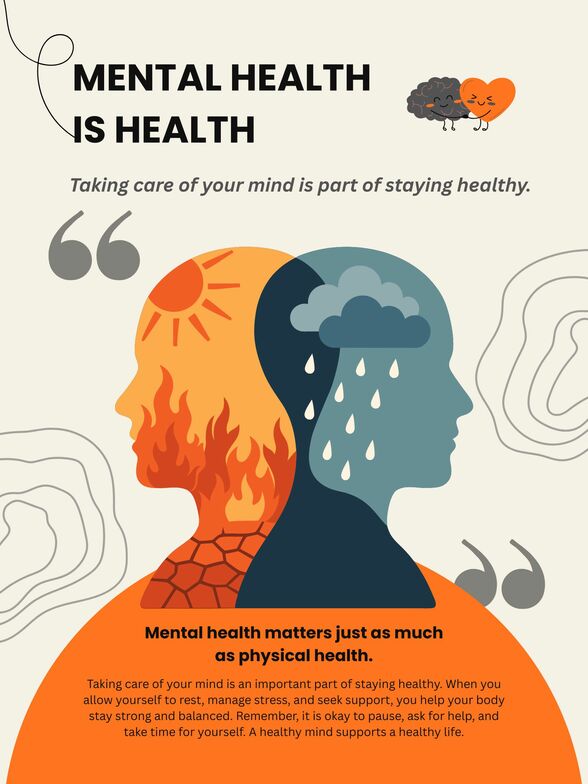
May is dedicated to "Mental Health" month. We have a special segment on some very important up-to-date information on Mental Health and Families. Thank you Minister Jessica for sharing with our community about this timely and critical information.
In 2026, we are experiencing more conversations than ever regarding the importance of normalizing therapy and prioritizing mental health. However, each generation faces unique challenges and barriers when it comes to what mental wellness looks like for them.
For example, the Silent Generation and Baby Boomers were often not encouraged to seek therapy. In many cases, therapy was viewed as something reserved only for individuals experiencing severe mental illness. Their generations endured significant hardships that required toughness, endurance, and resilience. As a result, many learned to cope privately and avoid discussing emotional struggles openly.
Their children, Generation X, are now grappling with the impact of those unspoken experiences while also trying to feel comfortable seeking support themselves. Often referred to as the “Sandwich Generation,” Generation X experiences high levels of stress due to balancing concerns for aging parents while simultaneously carrying the economic and emotional pressures of supporting their adult children. Unfortunately, many in Generation X still struggle to openly discuss their mental health and may lean toward masking their emotions to avoid appearing weak.
However, newer generations are changing the dialogue. Millennials and Generation Z are more open about their emotional struggles and are actively seeking help, contributing to the normalization of mental health conversations. Their willingness to discuss anxiety, depression, trauma, and therapy is helping to reduce stigma and create healthier spaces for healing.
These open dialogues have the potential to create healthier multigenerational family patterns and close the generational divide surrounding mental health. When families begin talking openly about emotional wellness, they create opportunities for understanding, healing, and support across every generation.
Let’s normalize these conversations, know our Mental health history and stop negative familial patterns from trickling down to our younger generations!
Jessica Bullock, MA, LCMHC, LCADC